
Decree 280 Replaces Decree 248 From June 1, 2026 - What Food Exporters Need to Know
What Is Decree 280 and Why Does It Matter?
Decree 280 is a legal instrument issued by GACC to standardize the management of food safety for imports into China, building a more transparent trade environment and a more effective risk-control mechanism. Chinese authorities have emphasized this is not a trade barrier, but a framework to raise the quality standard of the global food supply chain.
Currently, approximately 90,000 enterprises from 178 countries have been approved in the GACC system, with nearly 4,000 Vietnamese facilities among them. Without a valid registration code, goods will not clear customs — meaning direct and immediate impact on revenue and business reputation.
Who Is Affected?
Decree 280 applies to all foreign enterprises involved in the food export chain to China, including:
- Food manufacturers and processors
- Packaging facilities
- Cold storage and transit warehouses
Industries most directly impacted: agricultural produce, seafood, processed food, beverages, dairy, and meat products.
5 Major Changes Under Decree 280 vs. Decree 248
1. From "Country-Level Assessment" to "Enterprise-Level Assessment"
Decree 280 shifts the management model from an administrative approach to a flexible, risk-based evaluation mechanism. Exporters can now access the Chinese market more independently and proactively, without relying entirely on country-level assessments as before.
2. A "Dynamic" Product Registration List — No Longer Fixed
Decree 248 specified a fixed list of 18 food categories requiring mandatory registration. Decree 280 replaces this with a "Dynamic List" — GACC will update it regularly based on real-time food risk assessments and market conditions. Businesses must monitor GACC announcements consistently to stay compliant.
3. Automatic Renewal — No Need to Resubmit Applications
Rather than submitting renewal applications 3–6 months before expiry as previously required, eligible facilities will now receive automatic 5-year renewals. Three exceptions apply: products on the non-auto-renewal list, enterprises currently remedying violations, or cases where China has temporarily suspended imports from the relevant country.
4. Registration Code Voided Immediately Upon Unupdated Changes
If a production facility relocates, changes its legal representative, or updates its domestic registration number without notifying GACC, the China registration code will be automatically voided from the date of notification. This is a high-risk area that many businesses tend to overlook.
5. "List-Based Registration" for Countries With Bilateral Agreements
For countries that have signed food safety cooperation agreements with China and whose regulatory systems are recognized by GACC, enterprises simply need to appear on a confirmed list — rather than submitting individual applications — significantly shortening approval timelines.
A Concerning Reality on the Ground
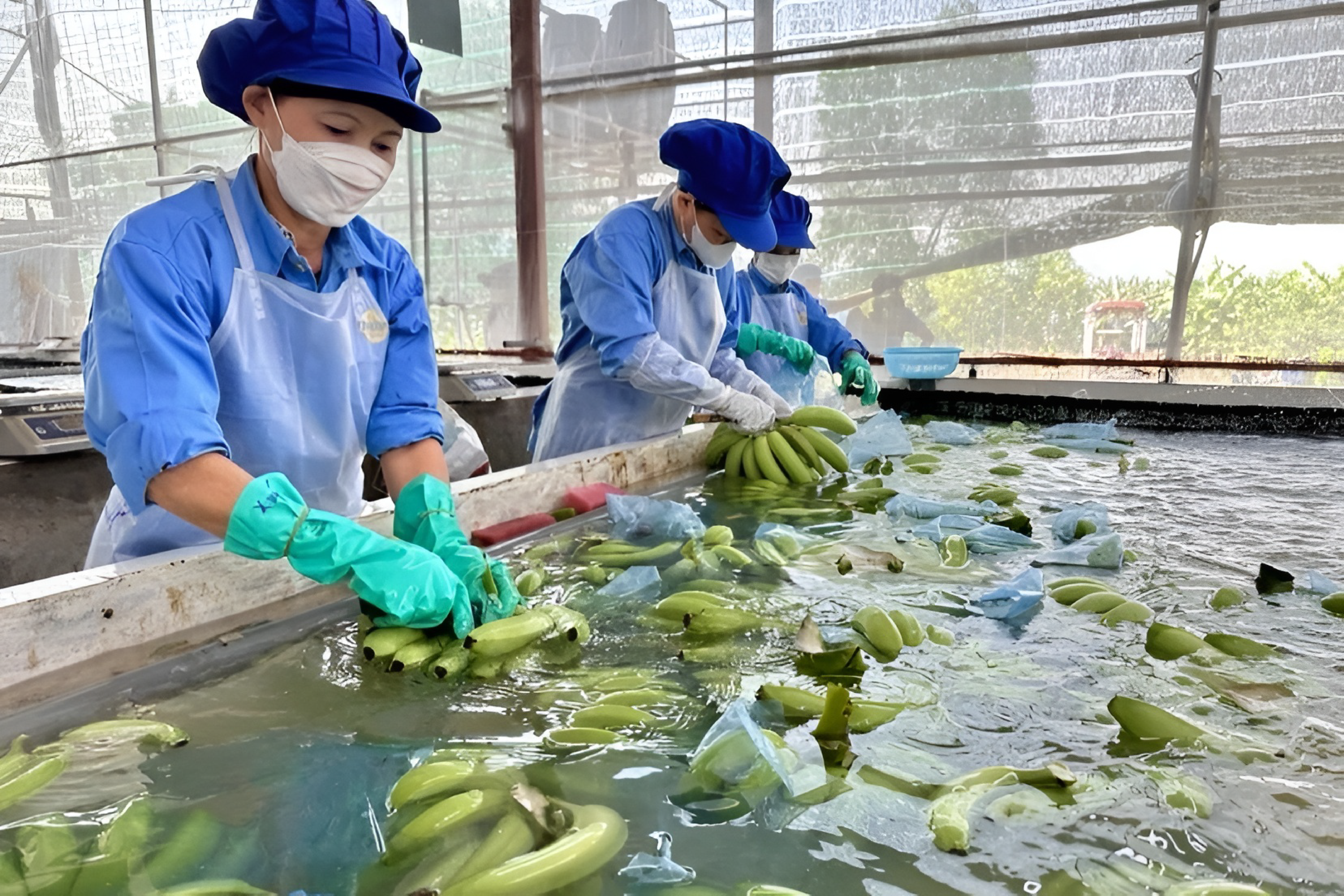
Despite the approaching deadline, only around 280 out of more than 3,000 relevant enterprises have participated in recent regulatory briefings. Experience from the Decree 248 rollout showed that last-minute applications led to serious bottlenecks at border gates.
Many applications were rejected due to seemingly minor but consequential errors: incorrect account information, mismatched office and production addresses, or wrong English or scientific product names. Critically, certain information cannot be amended once approved — including account username, legal representative, and country of registration.
What Businesses Must Do Right Now
✅ Verify your current registration code — is it still valid? Does the information match your actual operations?
✅ Update immediately if there are any changes to your address, legal entity, or quality management system
✅ Standardize documentation — HACCP, GMP, traceability records, and product testing reports
✅ Monitor GACC's Dynamic List — the list of products requiring mandatory registration can change at any time
✅ Coordinate with Vietnam's SPS Office for application support and technical guidance
Opportunity or Risk?
China remains Vietnam's largest agricultural export market, accounting for over 23% of total agri-forestry-fishery export turnover. Decree 280 is not purely a barrier — for businesses with robust quality management systems and clear traceability, it presents an opportunity to be classified as low-risk, clear customs faster, and strengthen their position in the world's largest consumer market.
On the other hand, businesses with incomplete documentation or slow compliance updates risk losing their export registration with no time to recover.
Real Logistics Is Here to Help
With deep expertise in import-export logistics and international customs procedures, Real Logistics is ready to support your business in preparing documentation, navigating compliance requirements, and ensuring your shipments face no disruption when Decree 280 takes full effect.
📩 Contact Real Logistics today for a free consultation.
Article last updated March 2026. Information is based on official documentation from China's General Administration of Customs (GACC) and Vietnamese regulatory authorities.
—————————————
Real Logistics Co.,Ltd
👉 Facebook: Real Logistics Co.,Ltd
☎️ Hotline: 028.3636.3888 | 0936.386.352
📩 Email: info@reallogistics.vn | han@reallogistics.vn
🏡 Address: 39 - 41, B4 Street, An Khanh Ward, Ho Chi Minh
G2 Floor, No. 51, Quan Nhan Street, Thanh Xuan Ward, Hanoi